Stanton Guildhouse
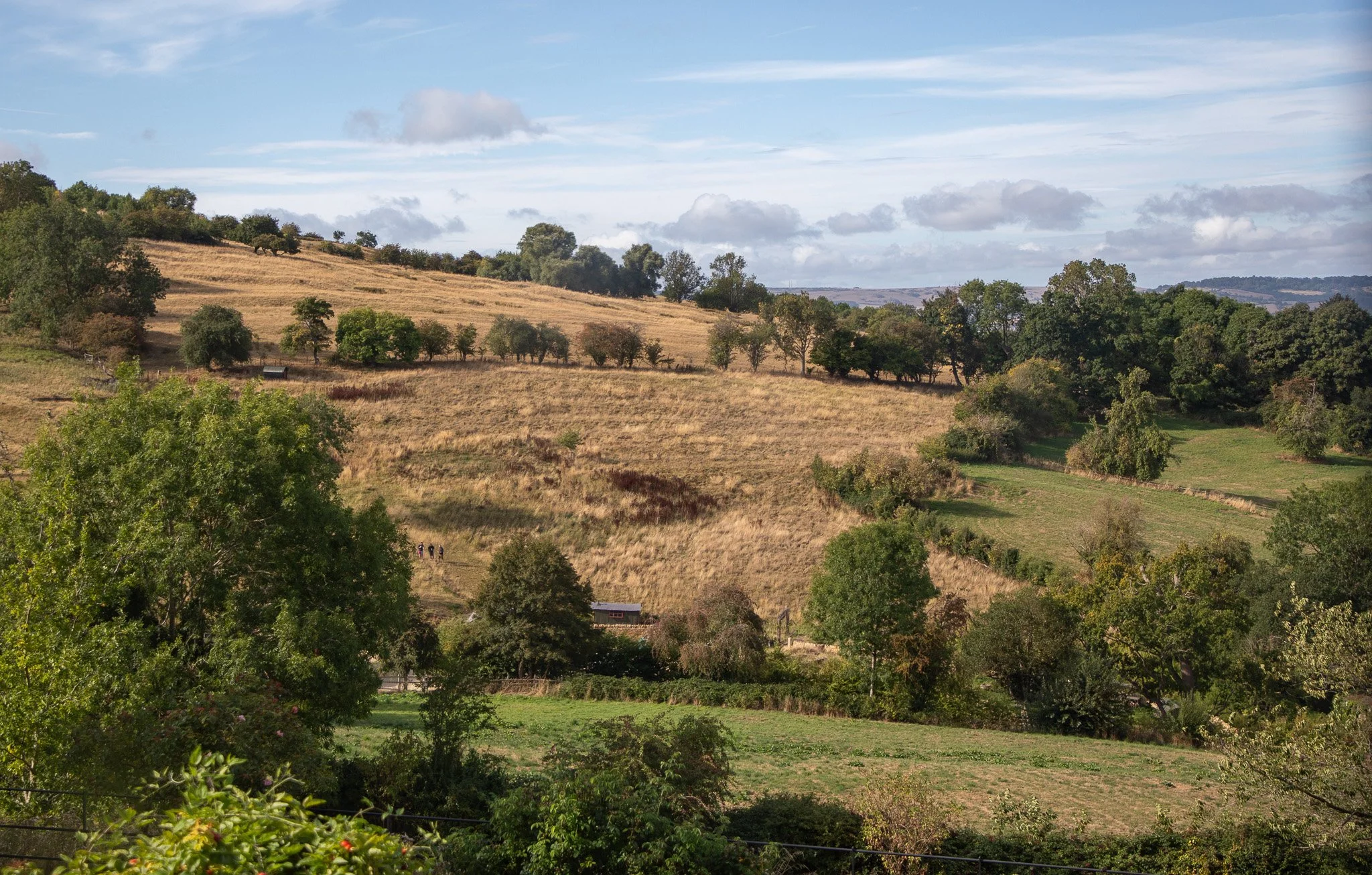
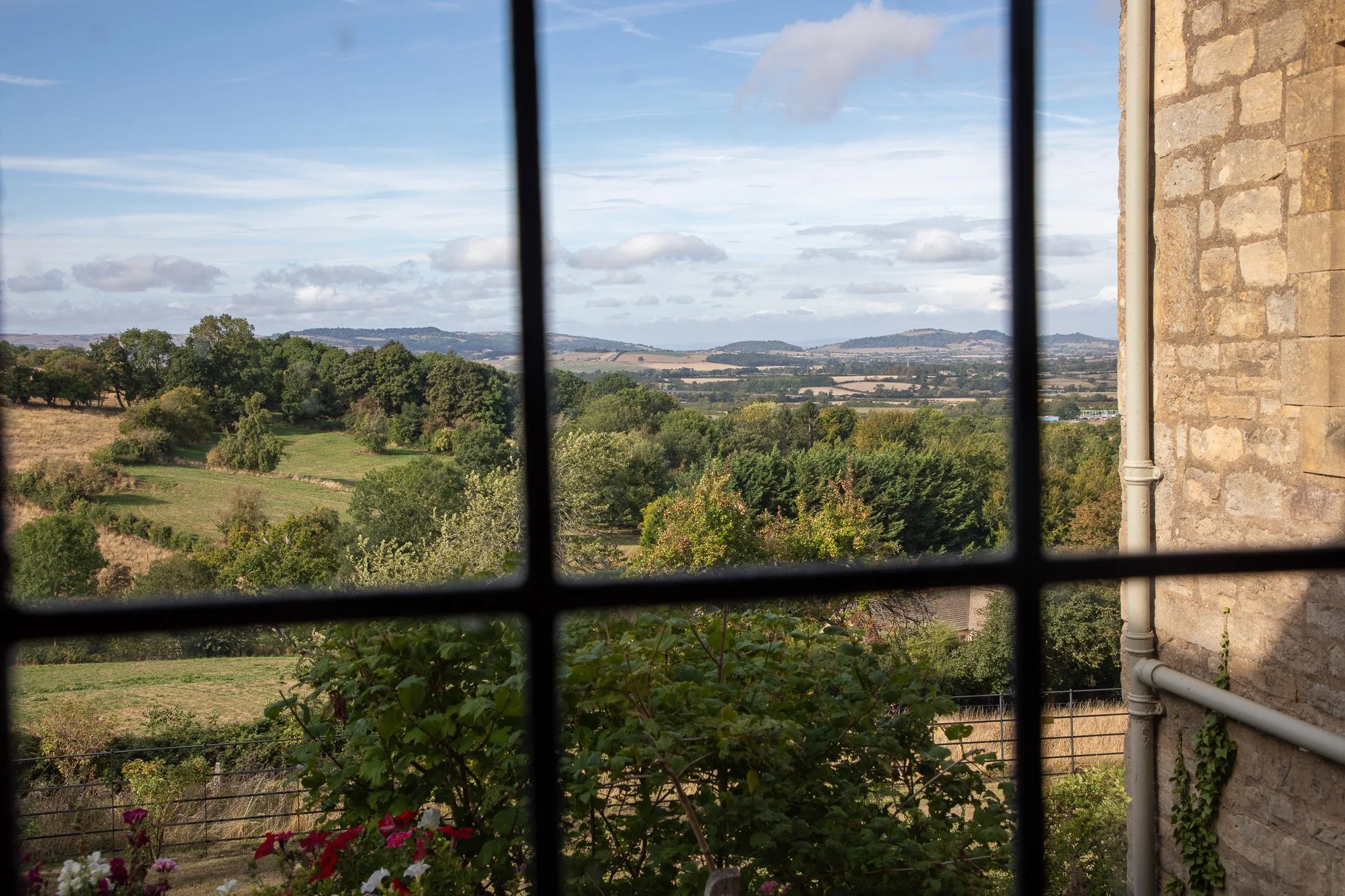
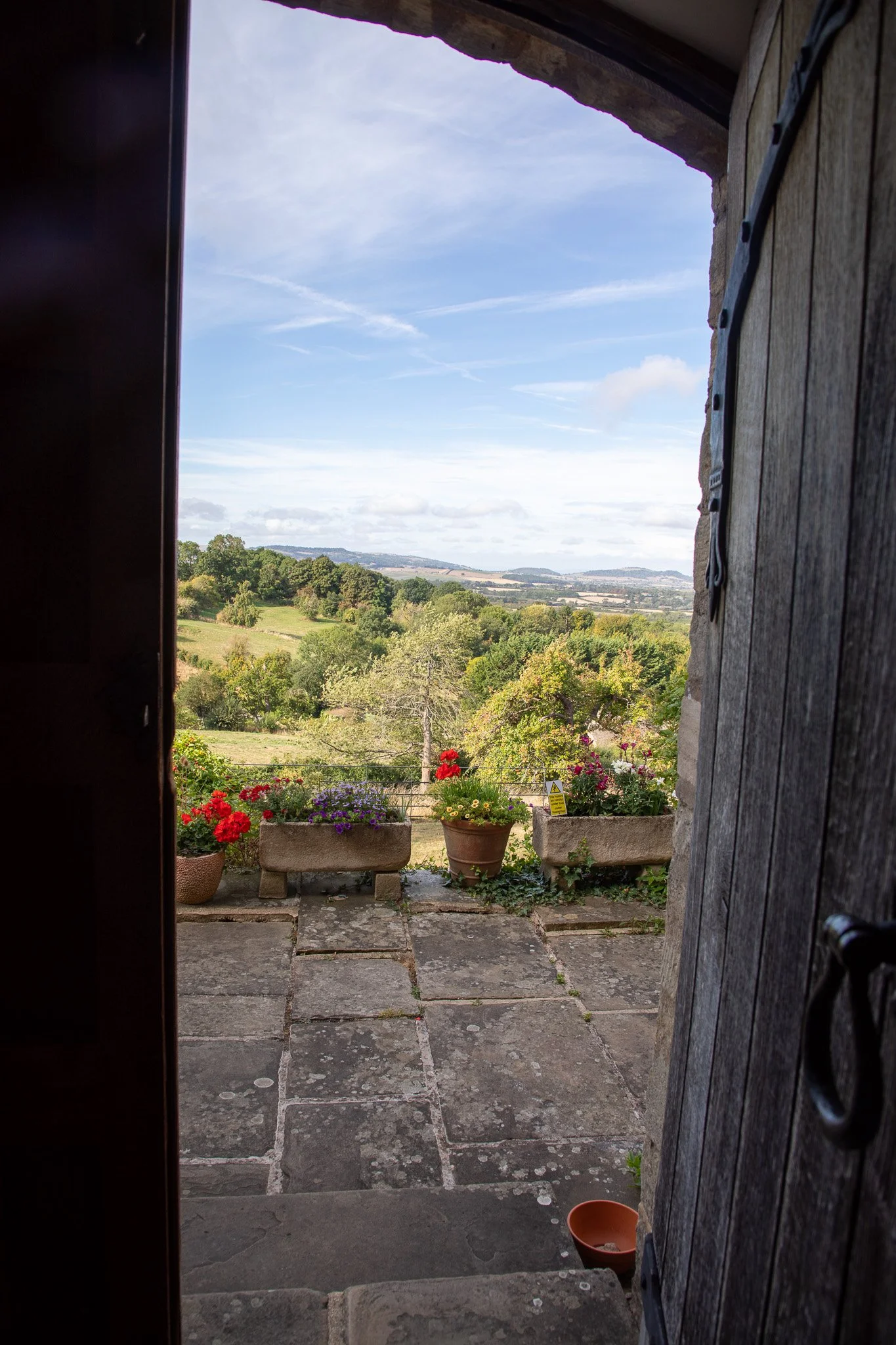
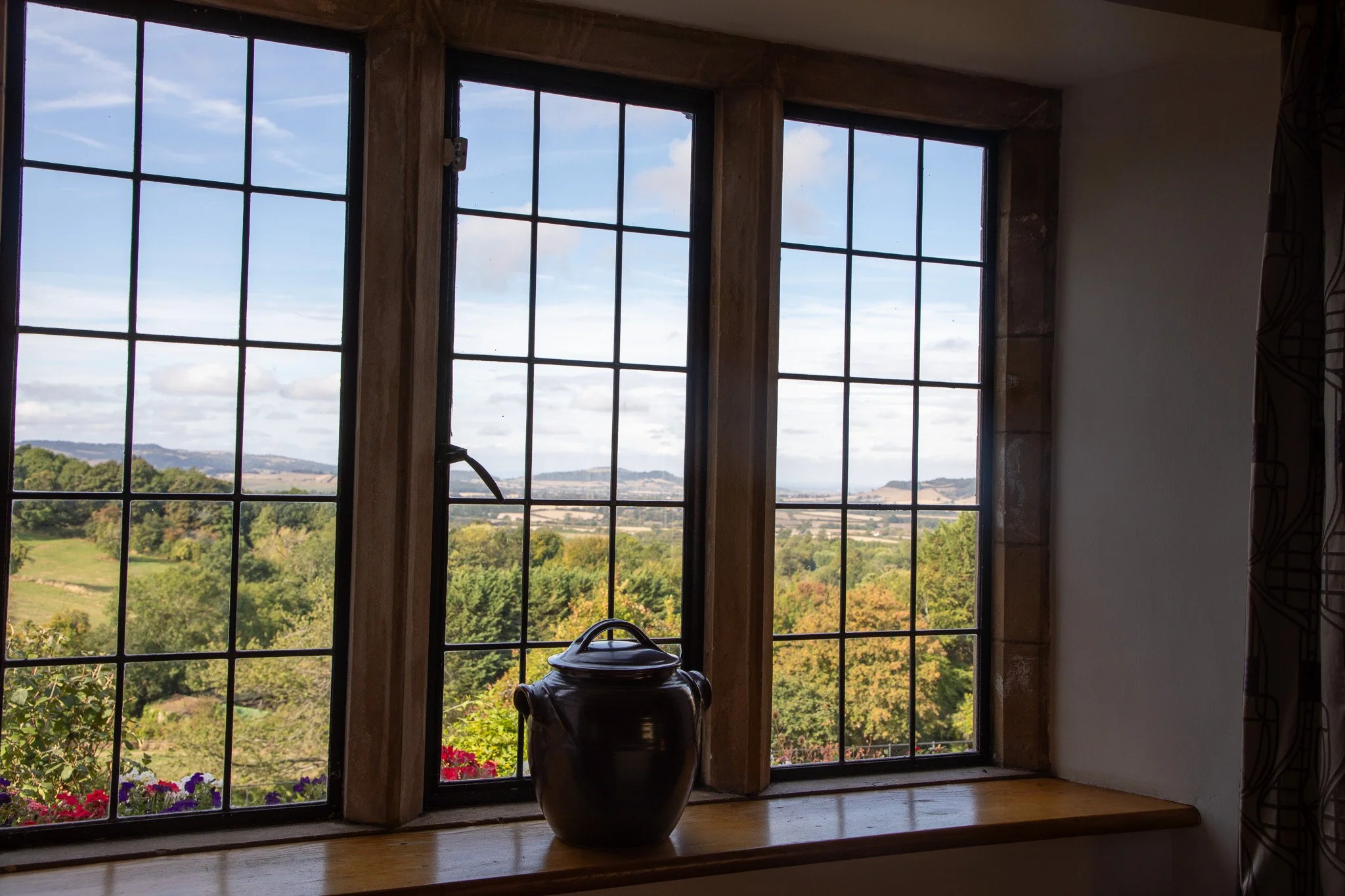
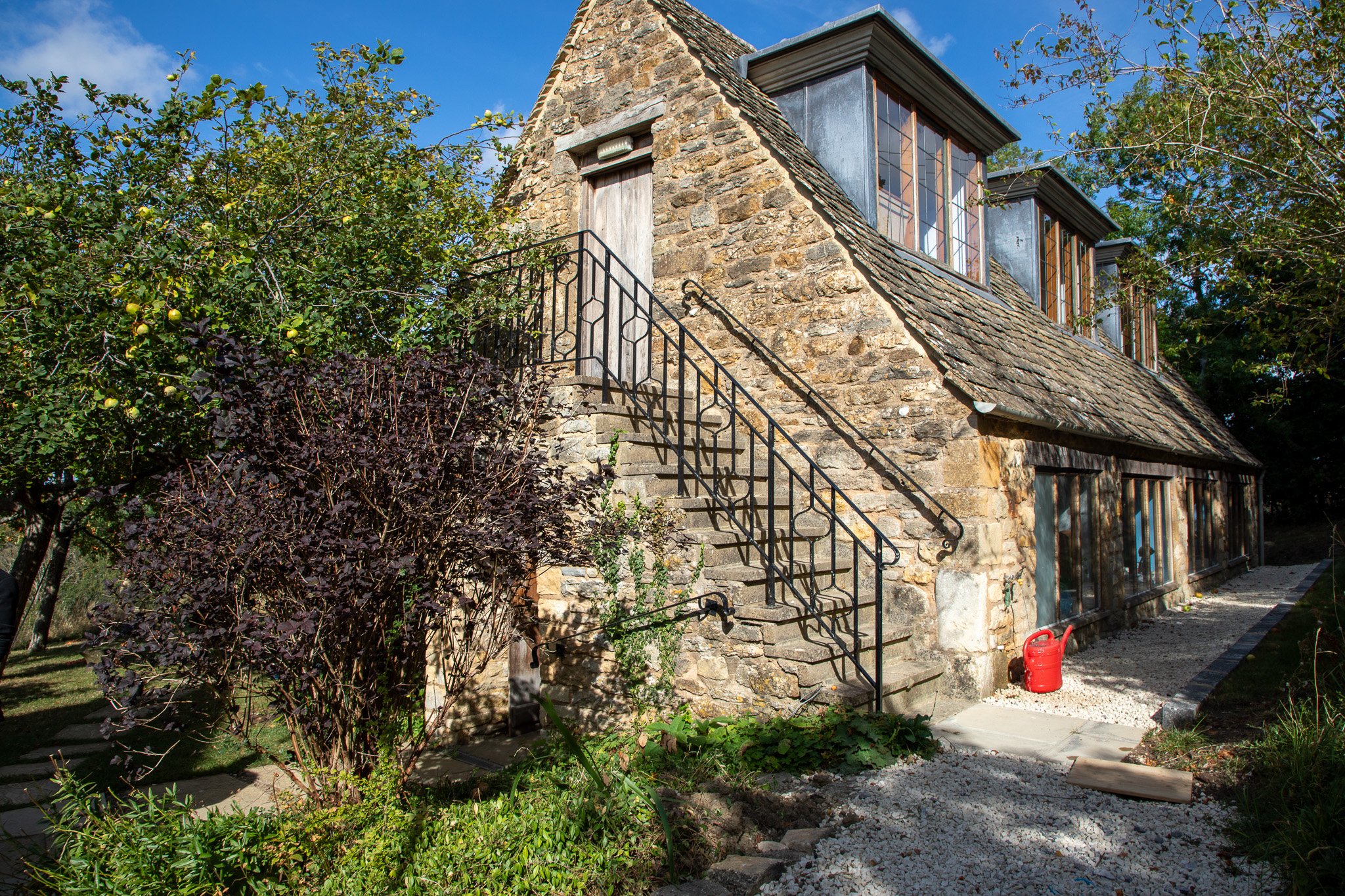
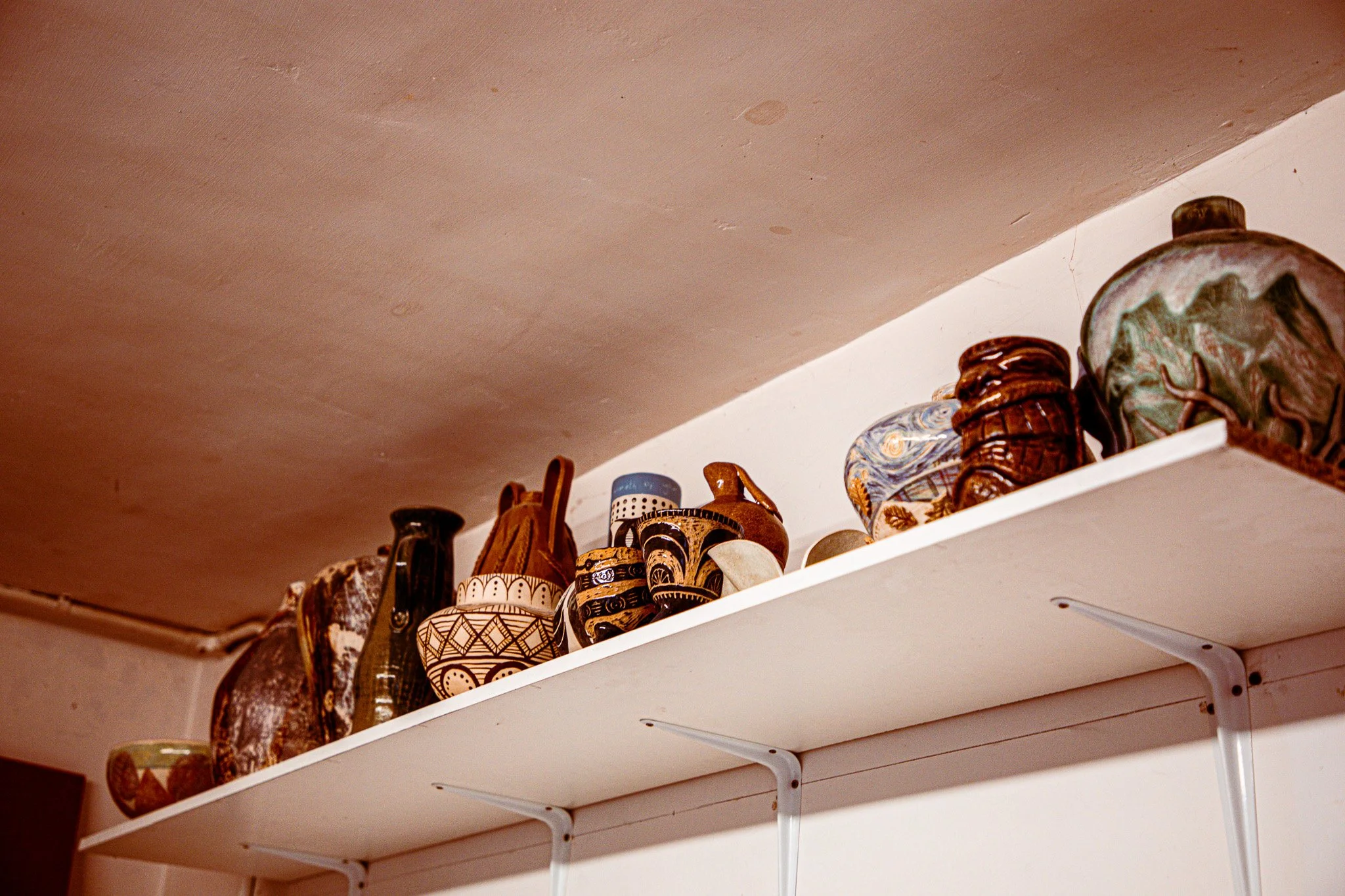
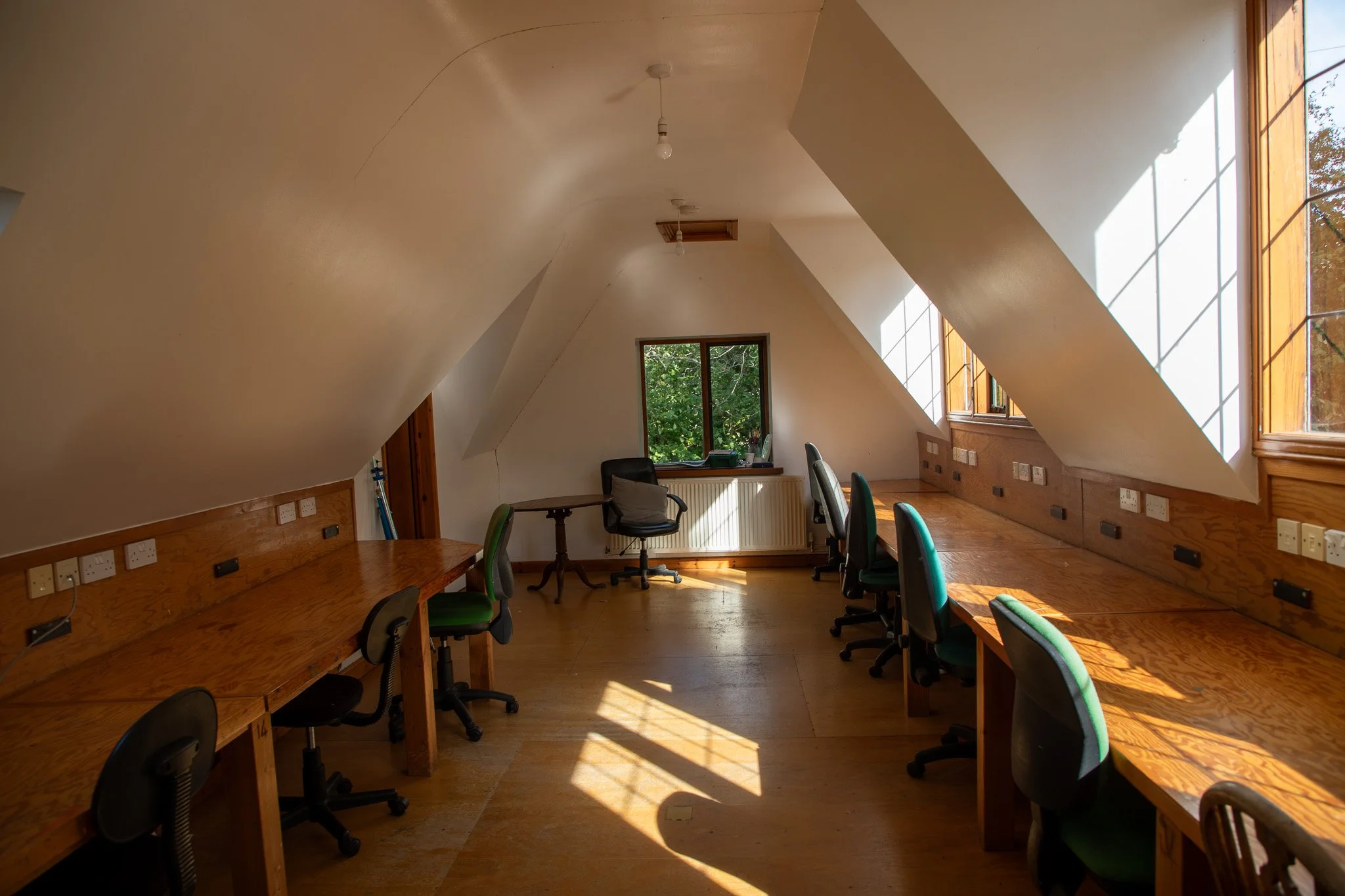
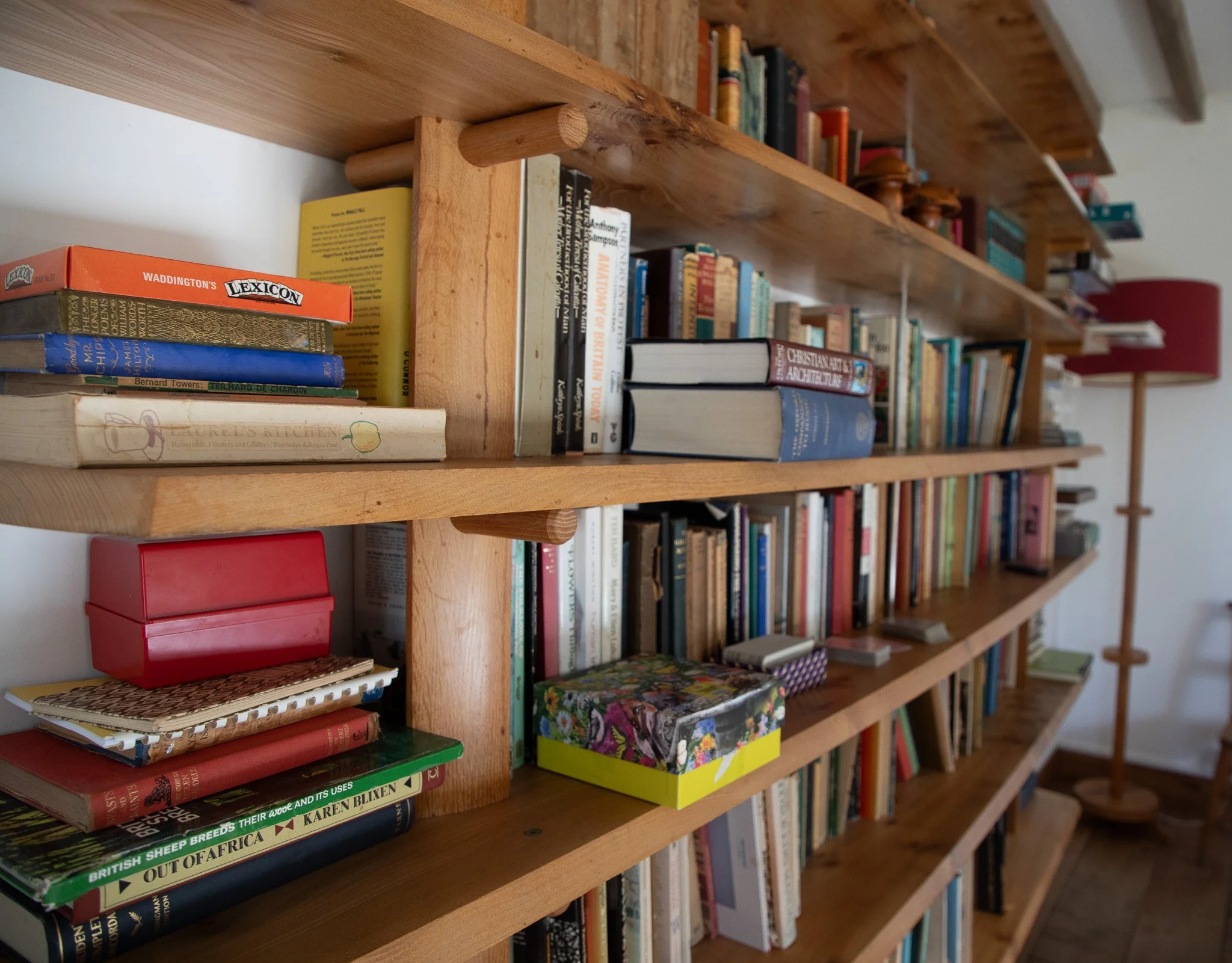
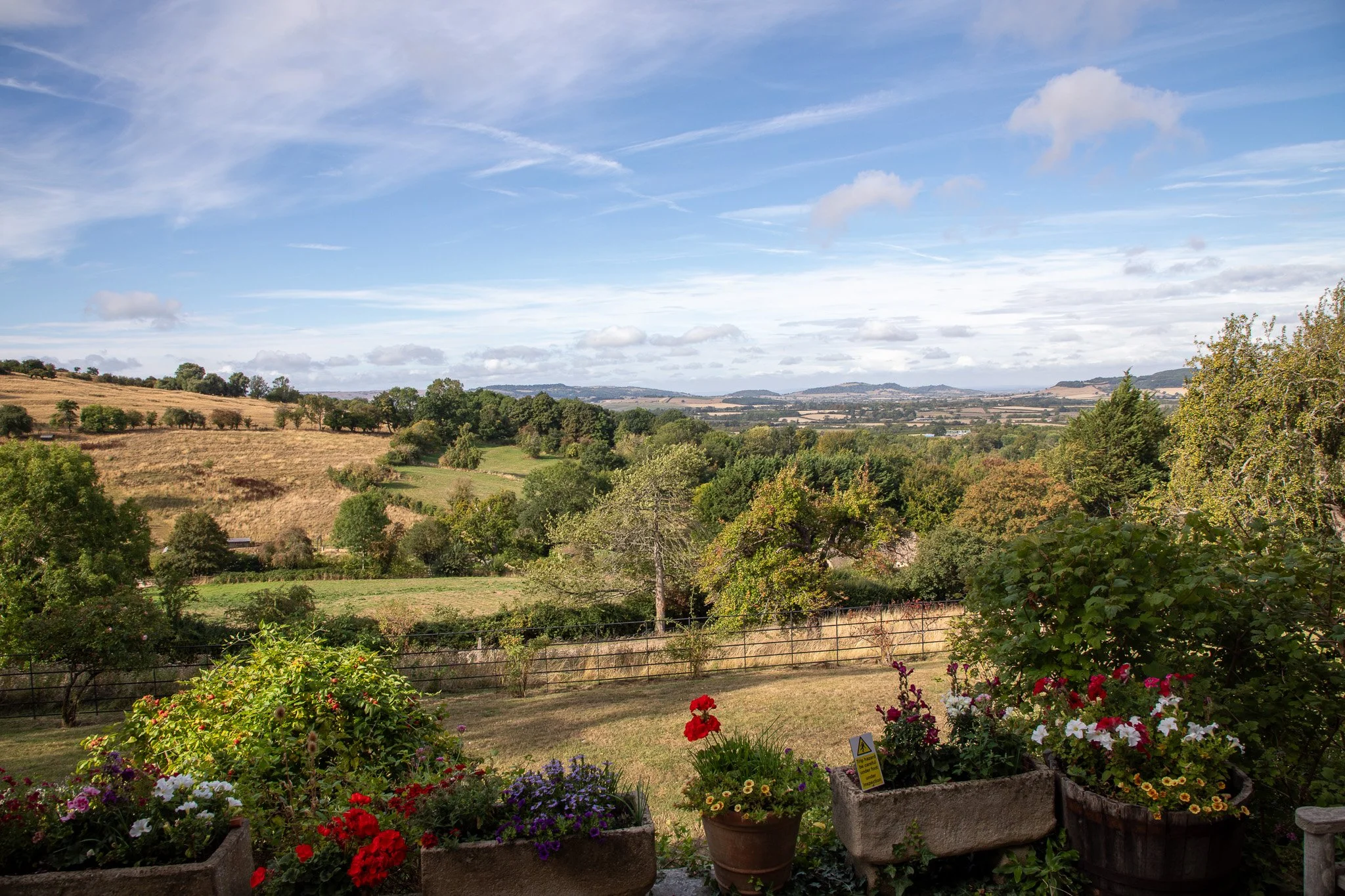
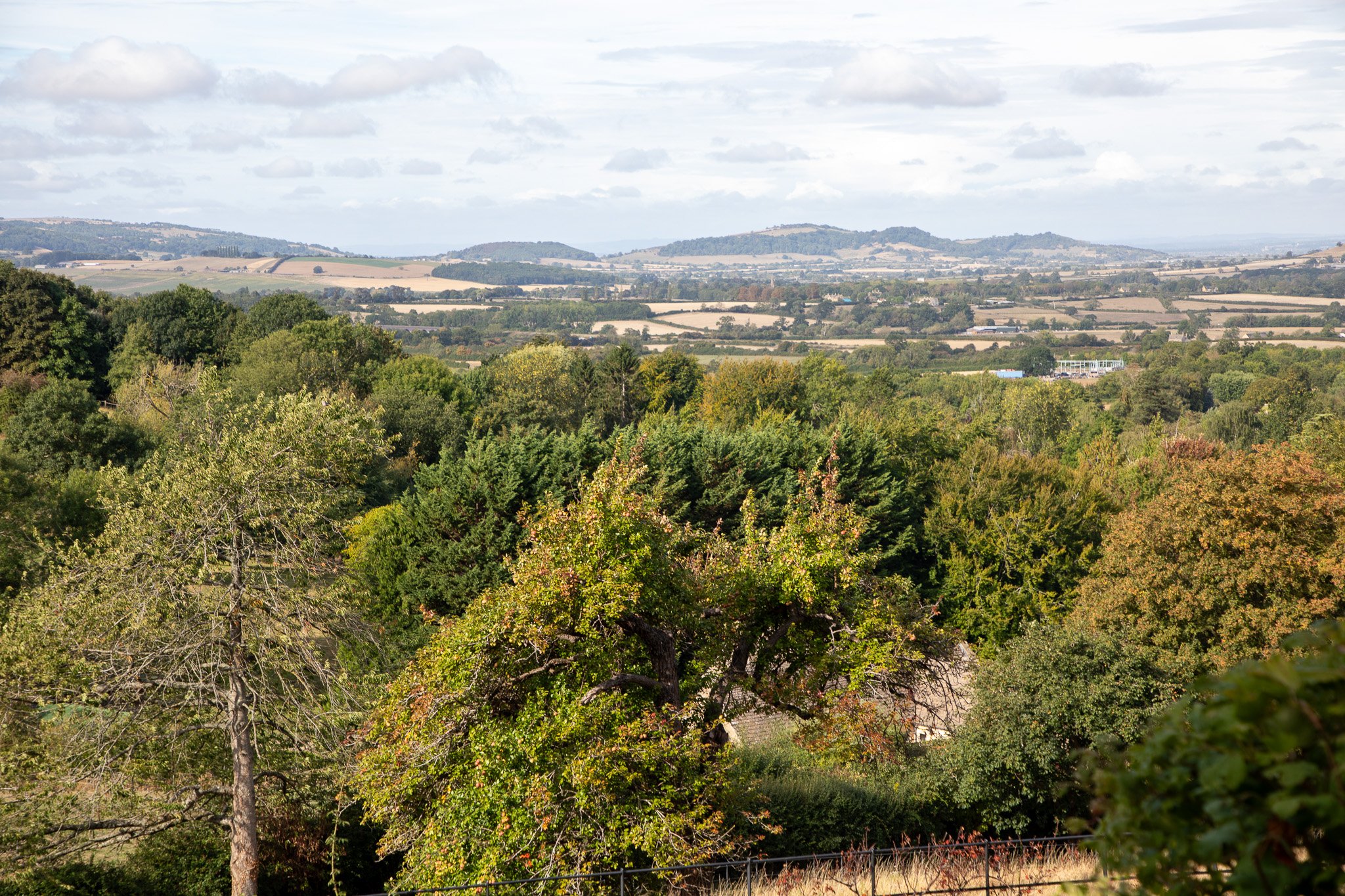
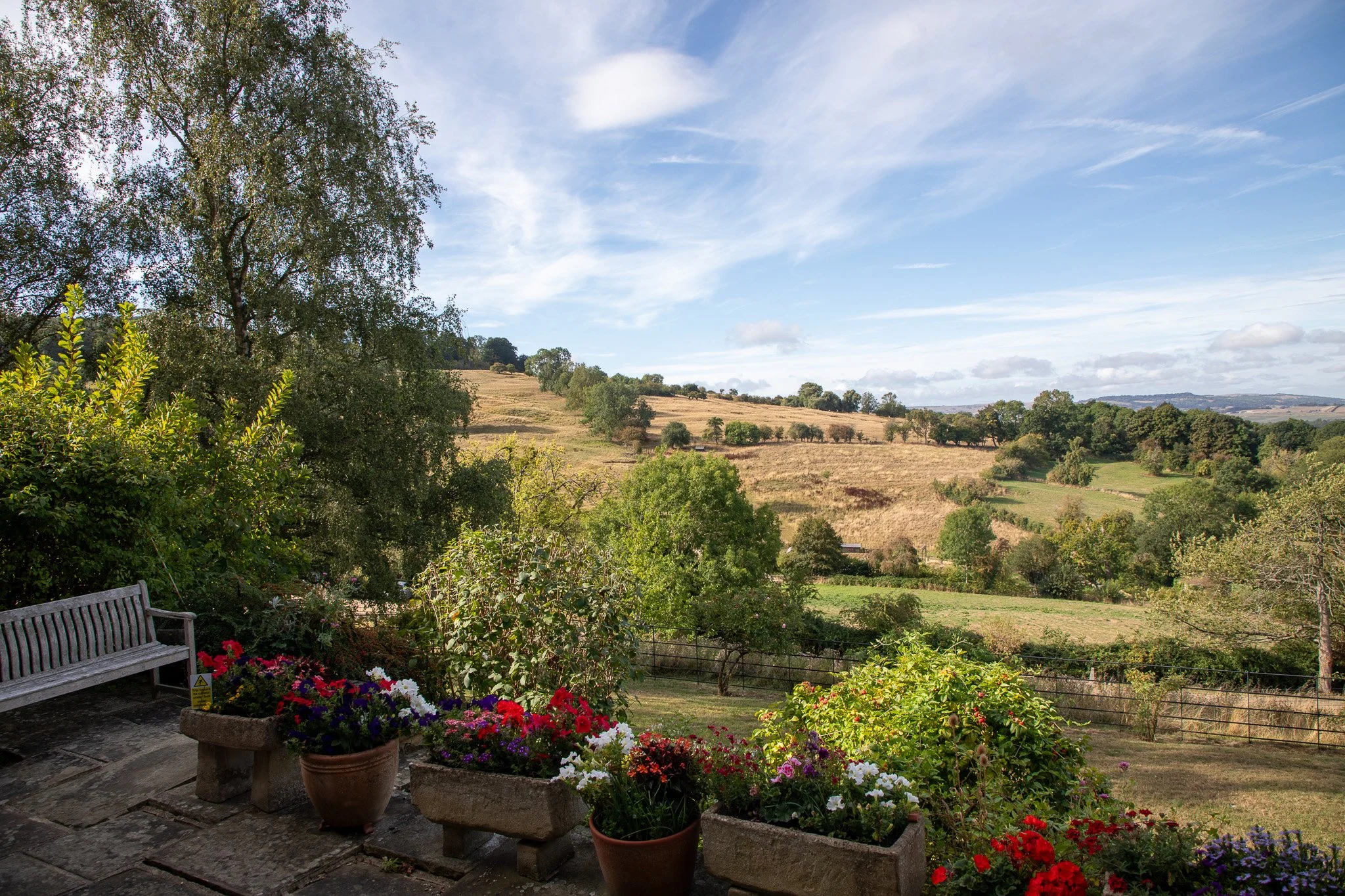
This delightful house sits above the village of Stanton in the Cotswolds, with glorious views over the Vale of Evesham. It offers courses in art, weaving and sculpture and is available to rent, either for residential courses or simply as a venue for a family get-together. It is however a unique building, as attested by its history.
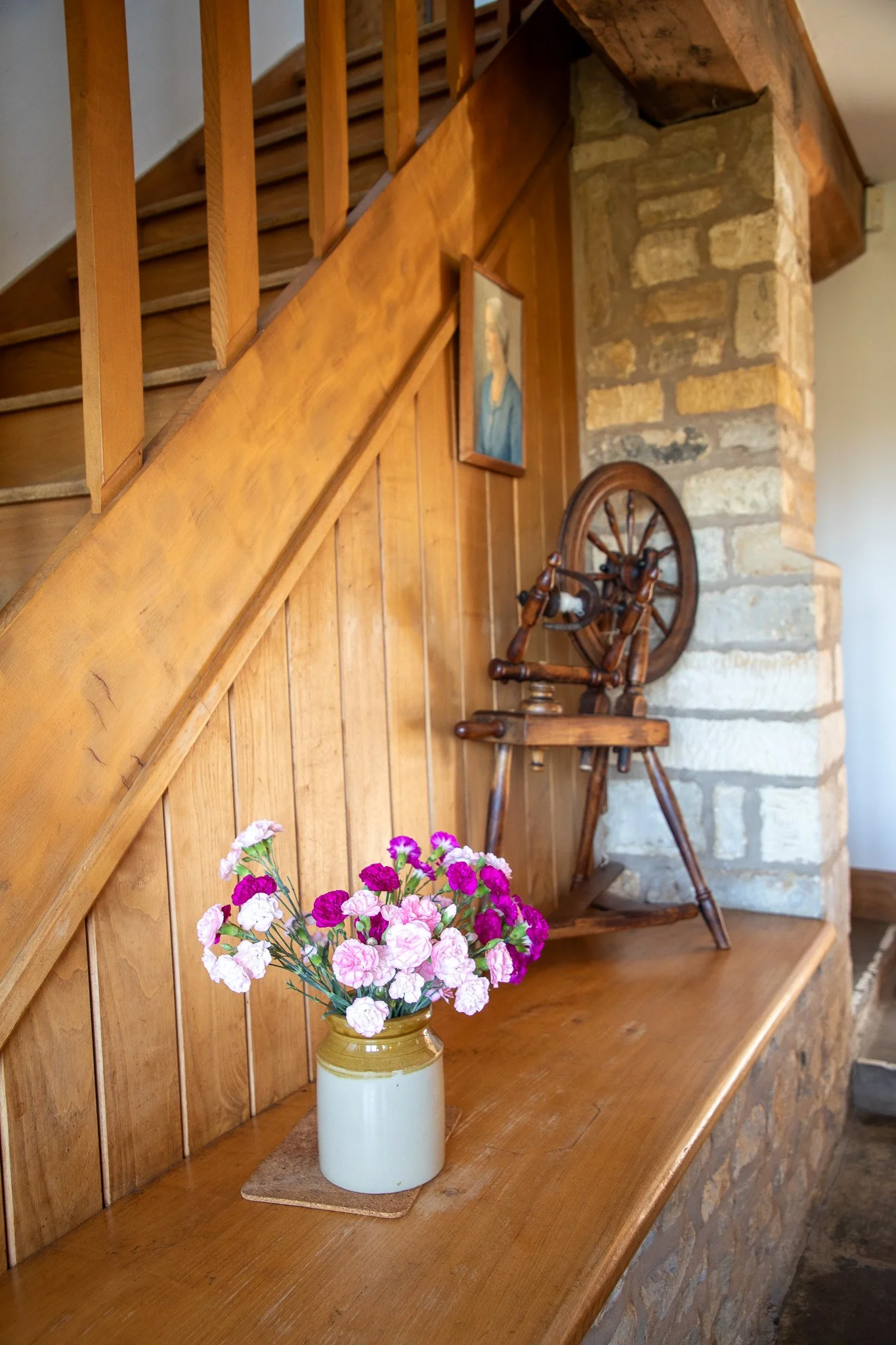
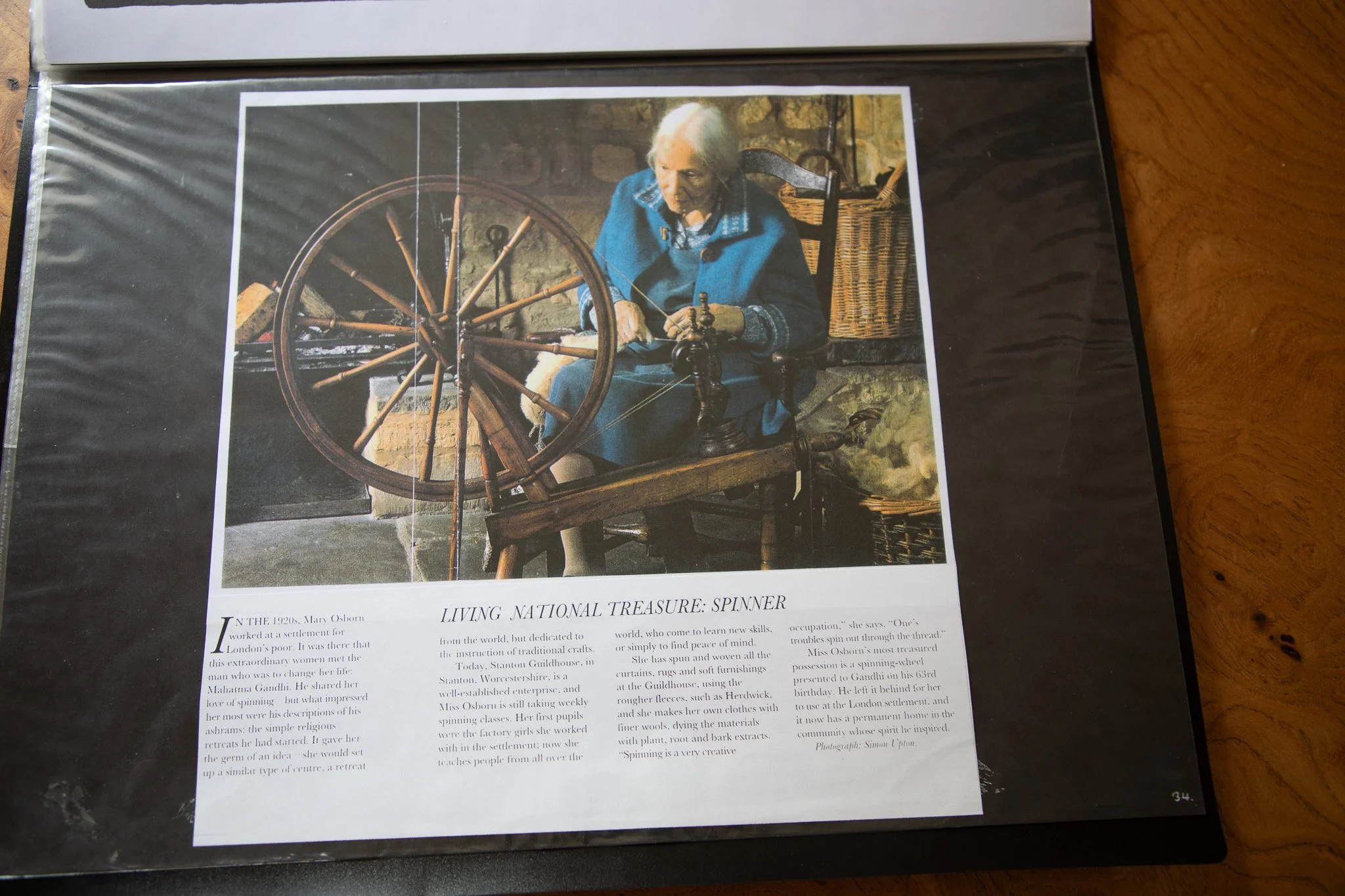
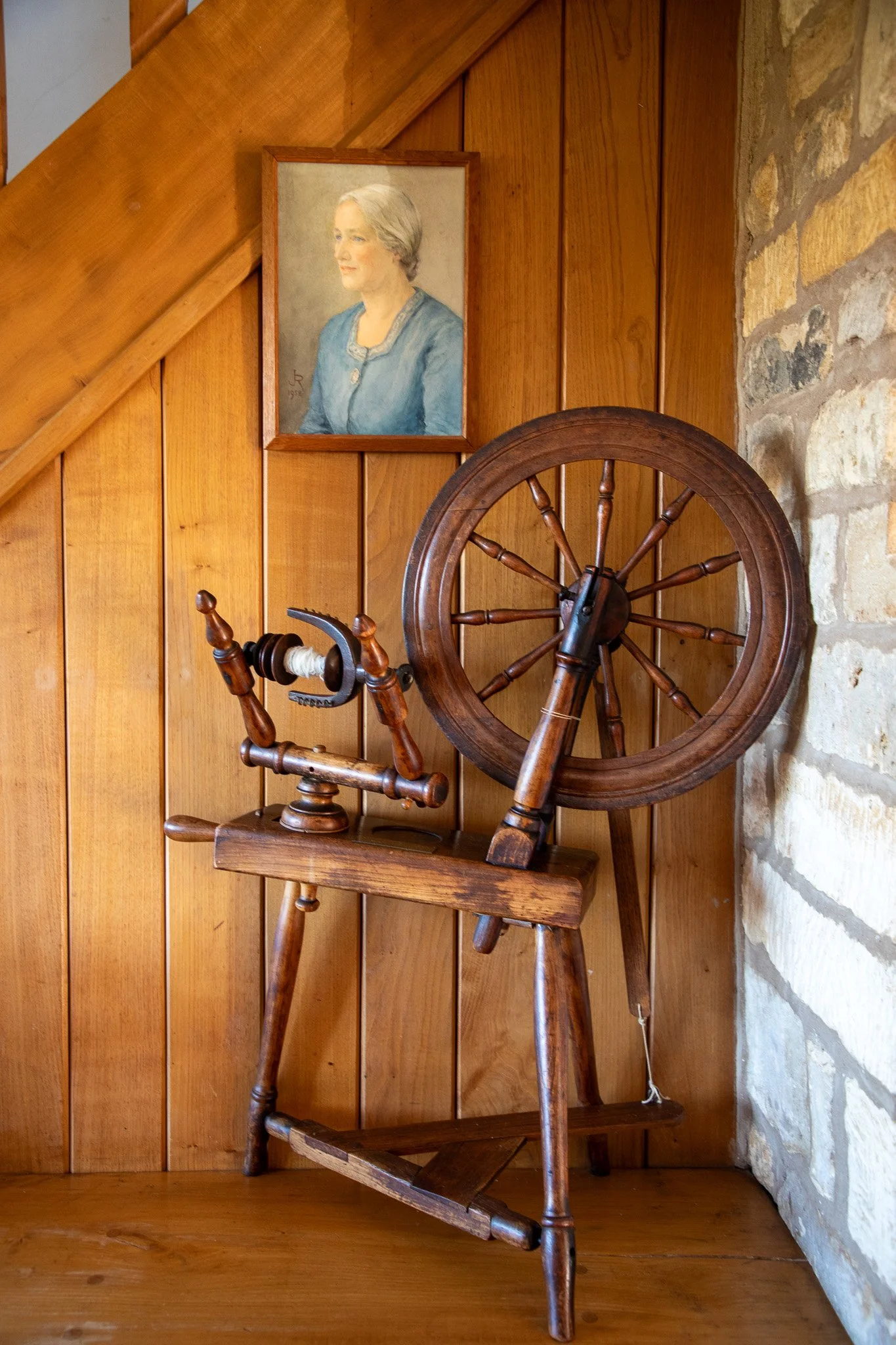
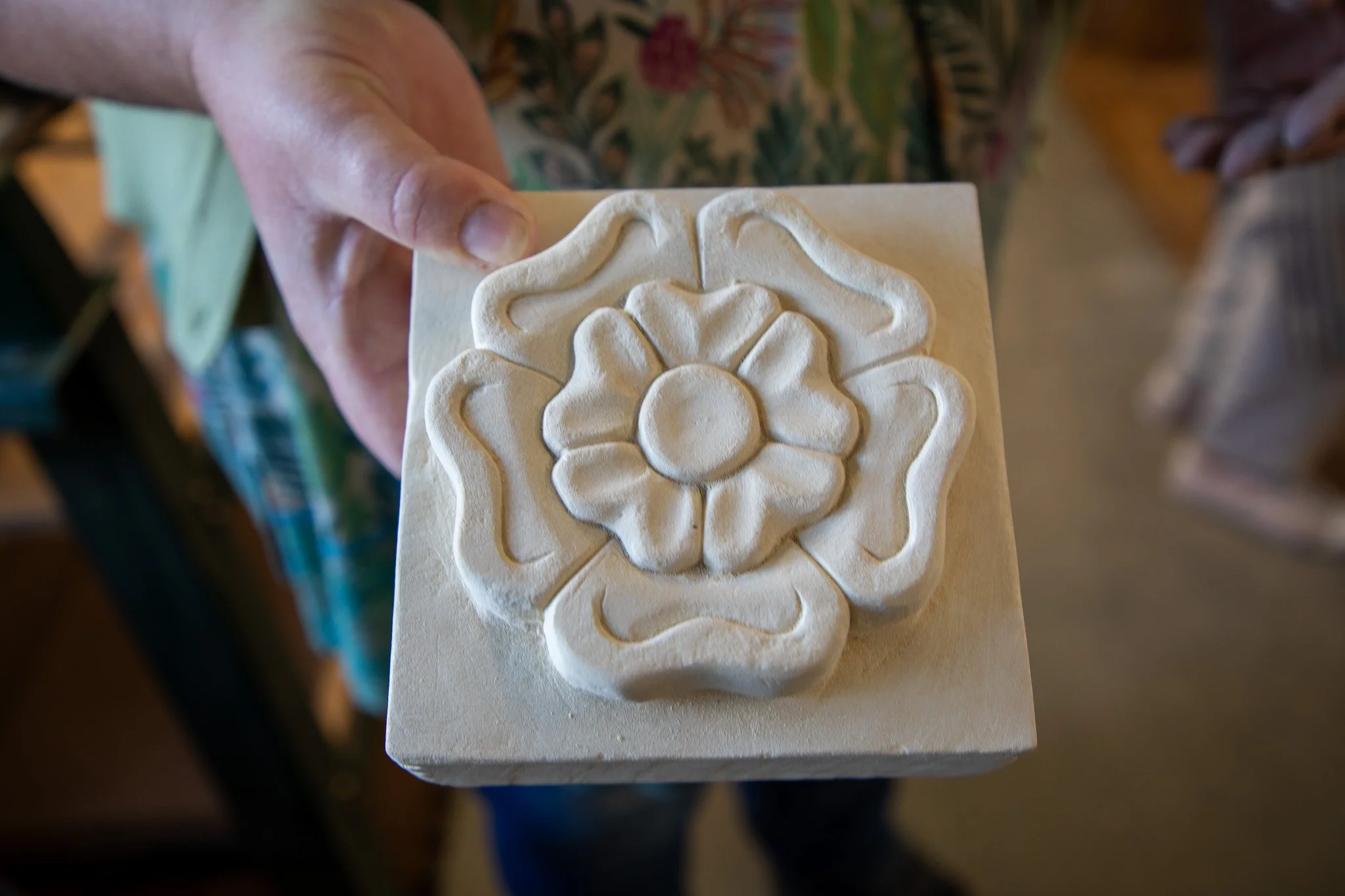
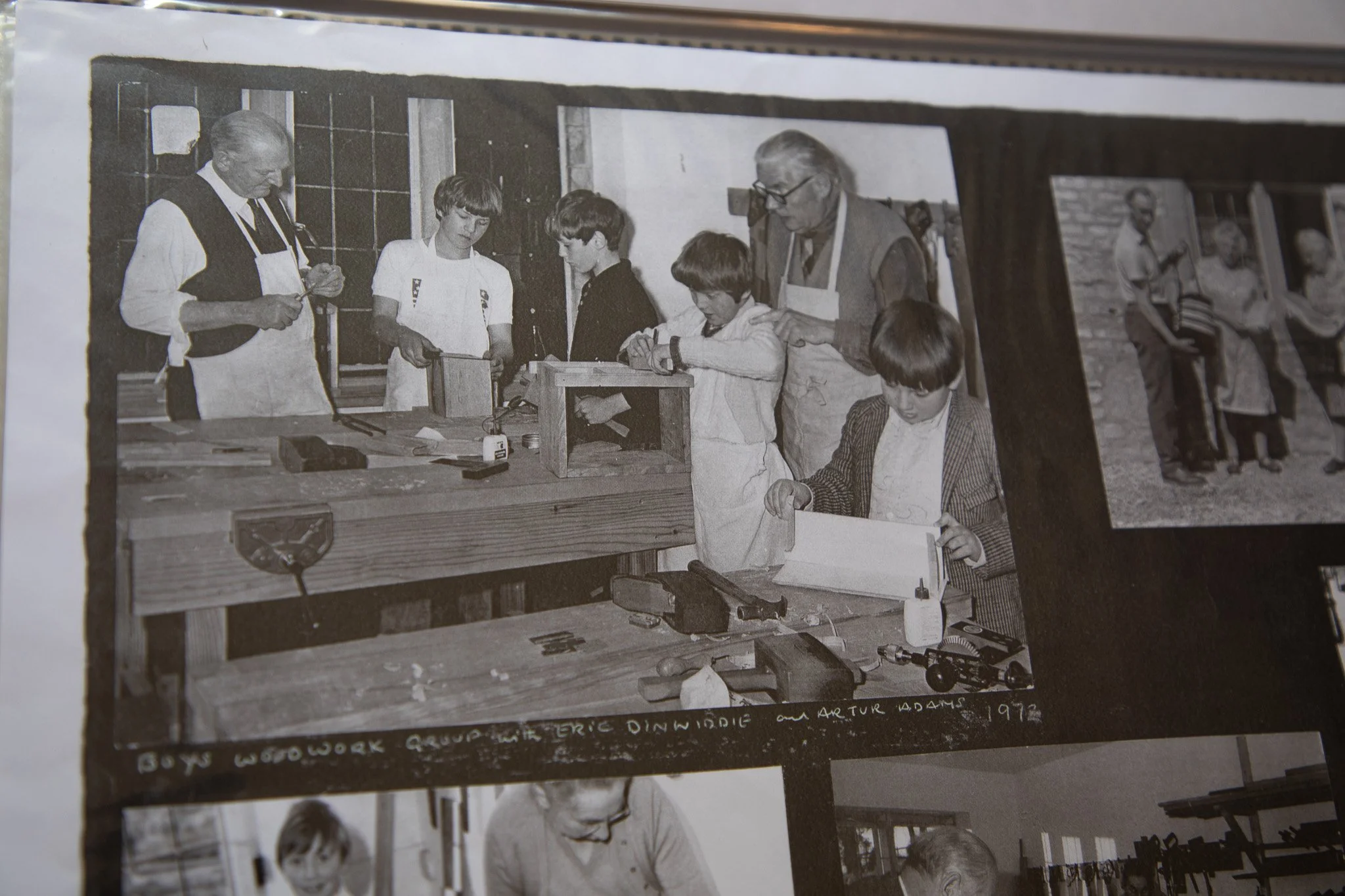
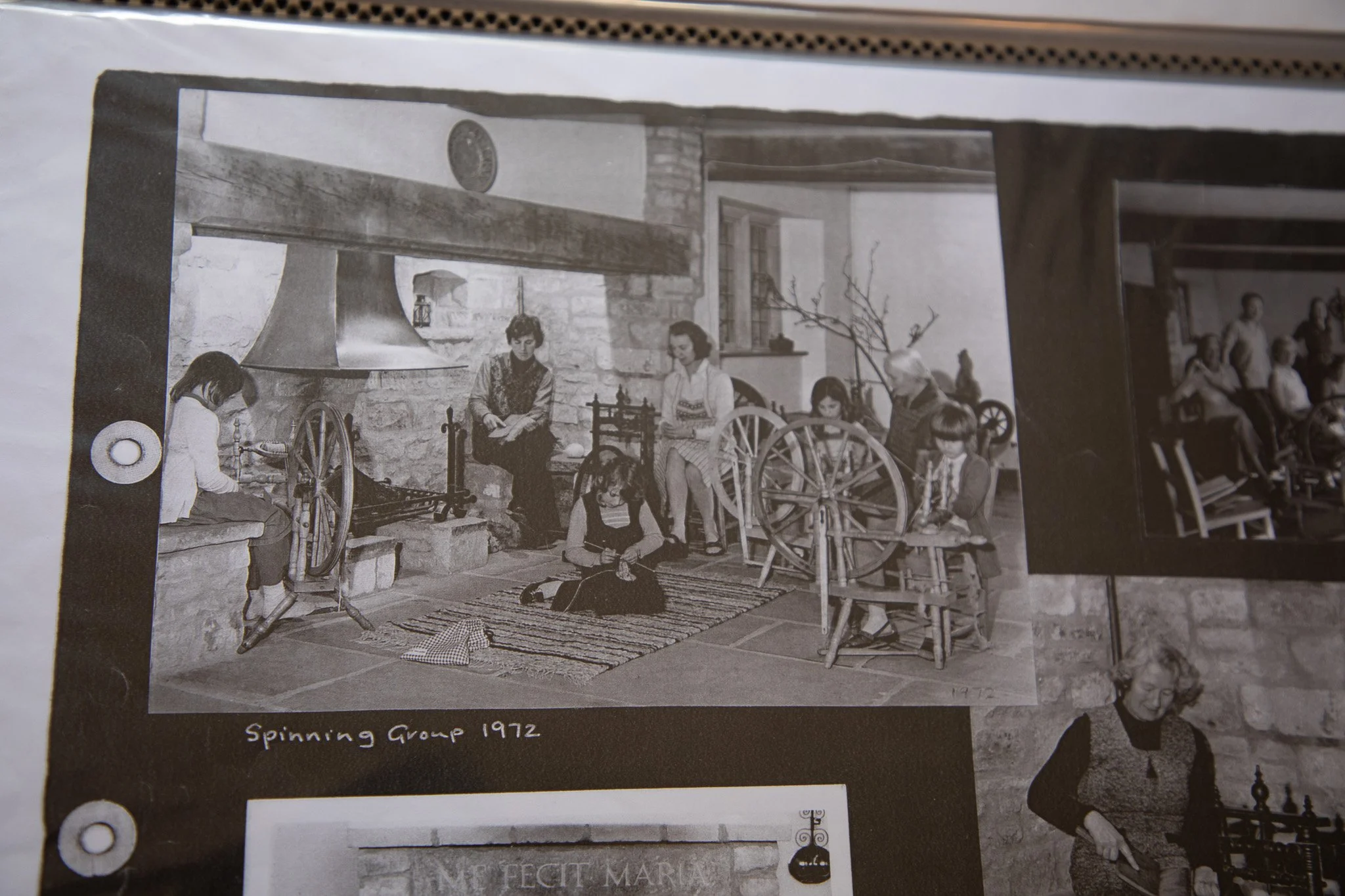
The origins of the Stanton Guildhouse can be traced back to the vision of Mary Osborn in the mid-20th century. While working in London’s East End, she encountered Mahatma Gandhi at Kingsley Hall and was deeply inspired by his emphasis on traditional crafts and self-reliance. In the 1950s she acquired the site, and from 1963 to 1973, with the help of local and international volunteers, she organised the building of the Guildhouse. The design and contents reflect the Arts & Crafts tradition, by using local stone, reclaimed materials, and handcrafted detailing. It officially opened in 1973 as a place where people could live, learn traditional crafts, and experience a retreat-like community setting. The building is Grade II listed in recognition of its architectural and historical significance and Stanton Guildhouse is a charitable trust.
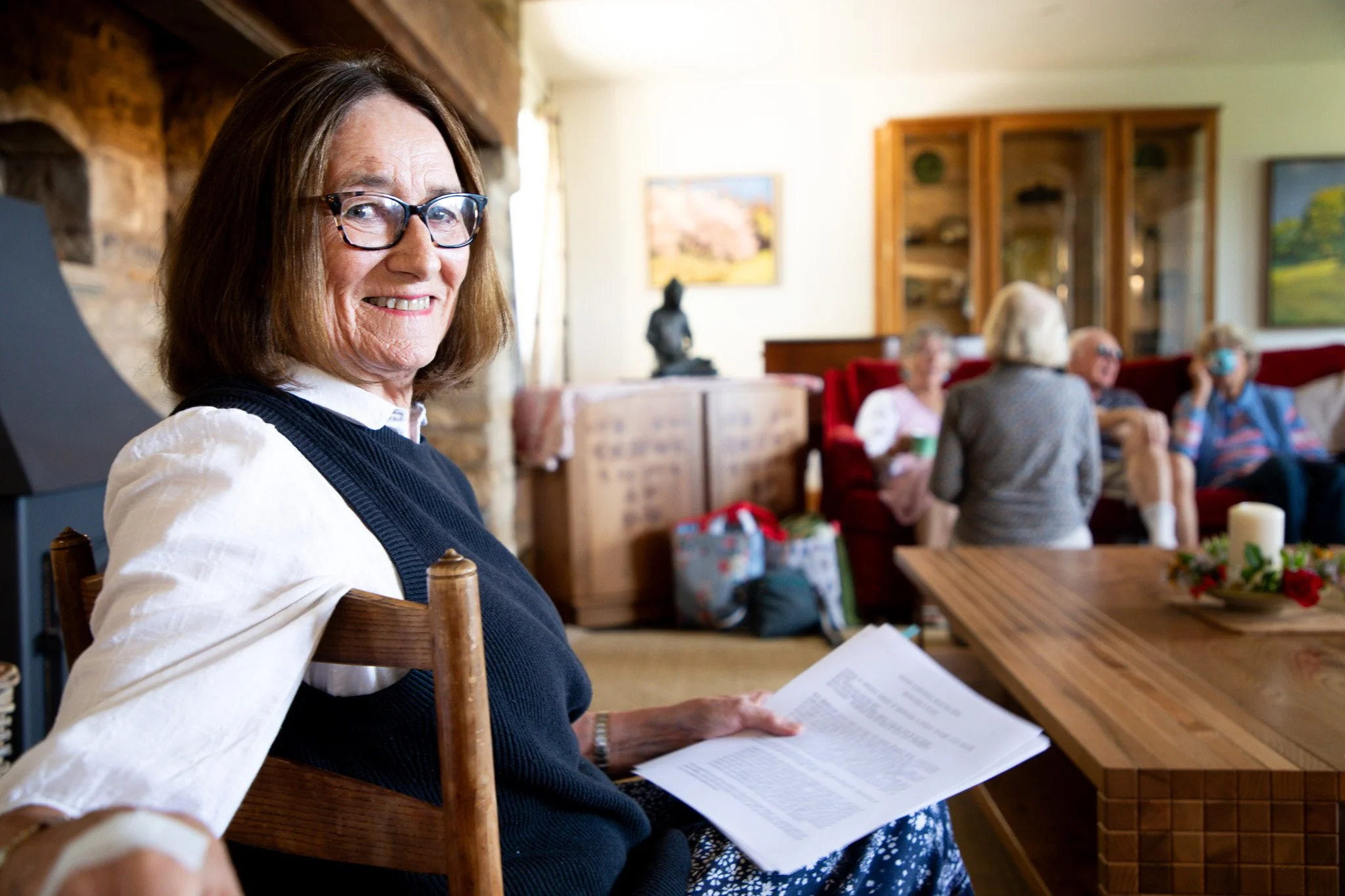
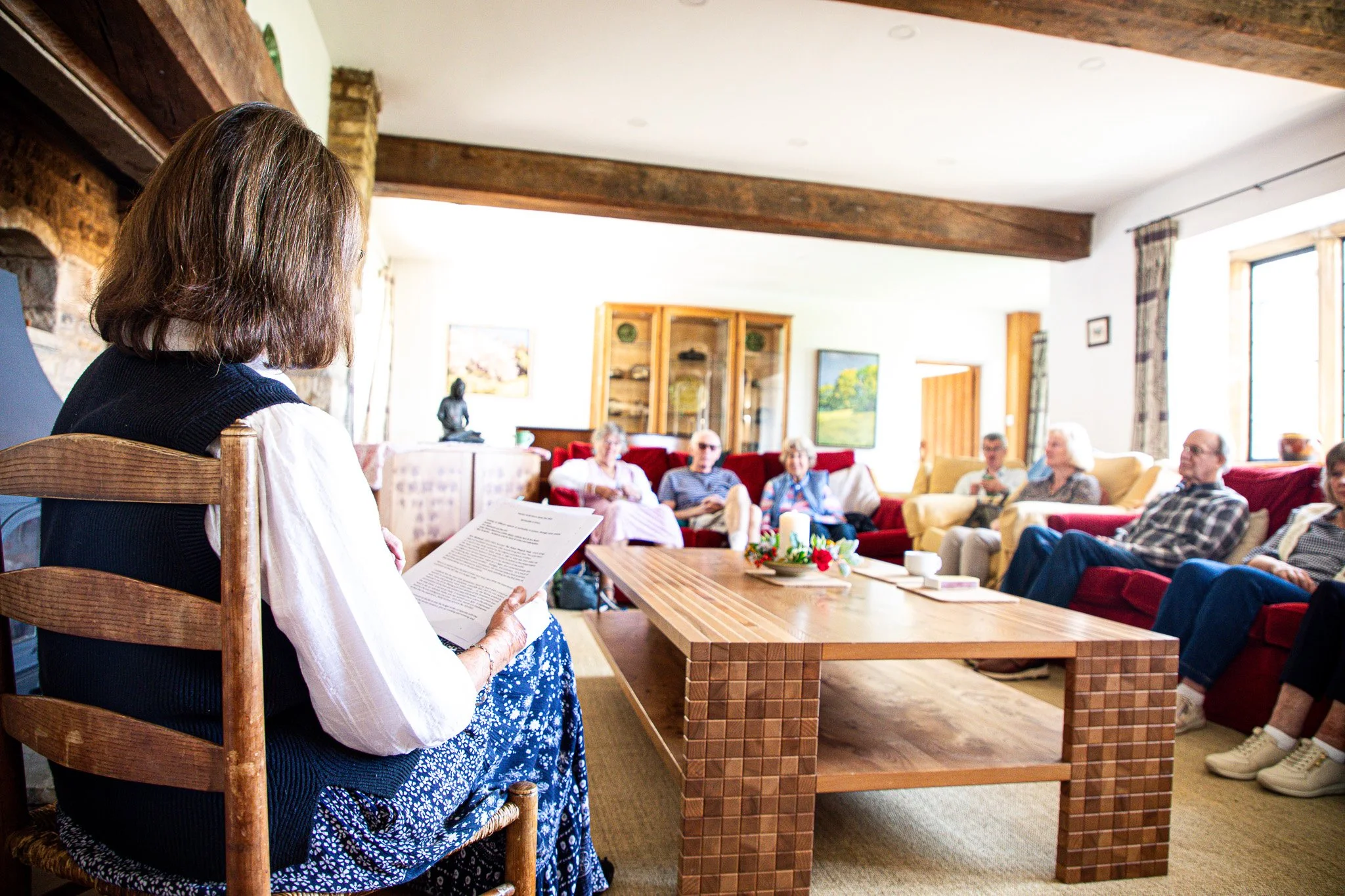
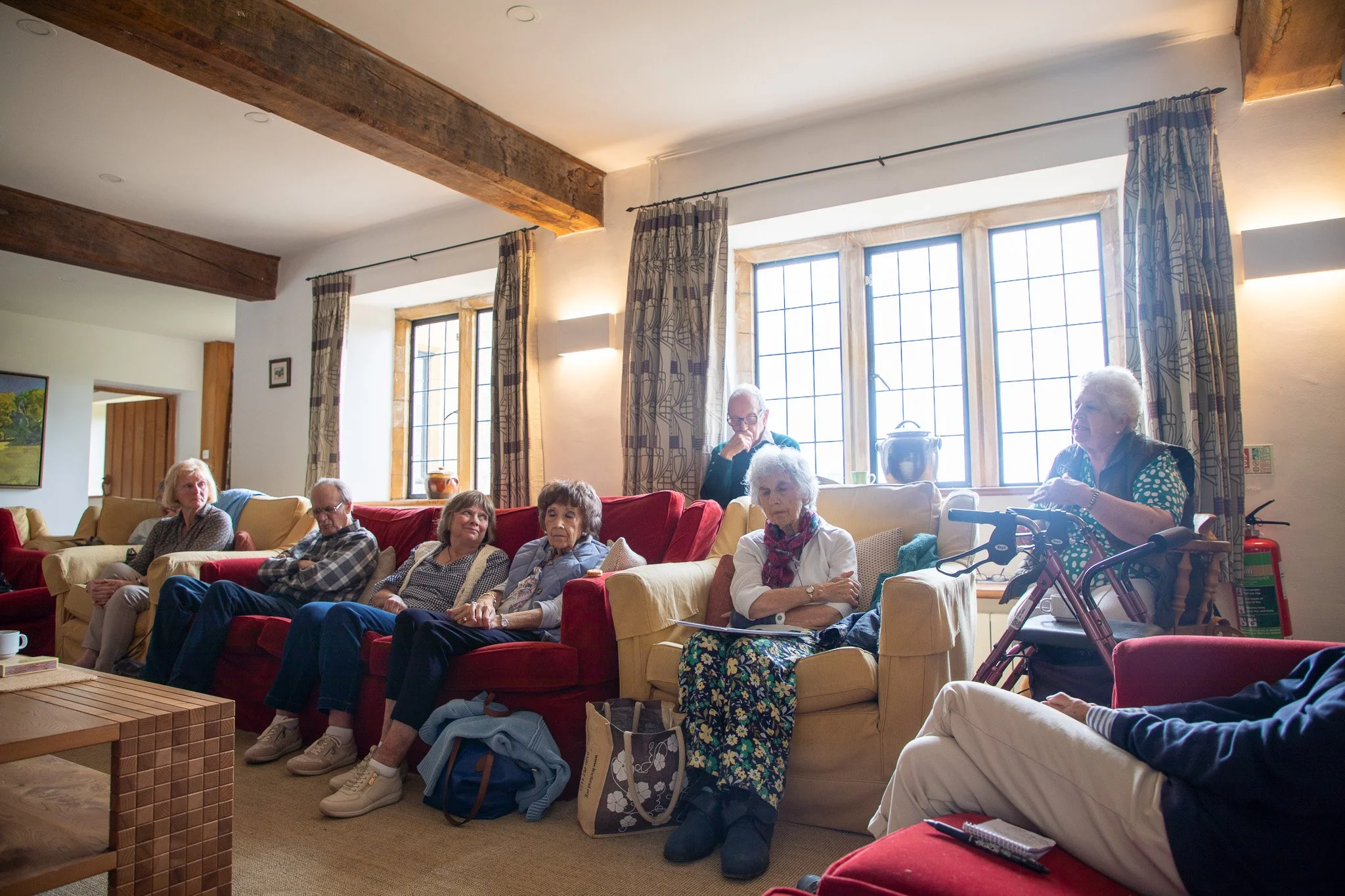
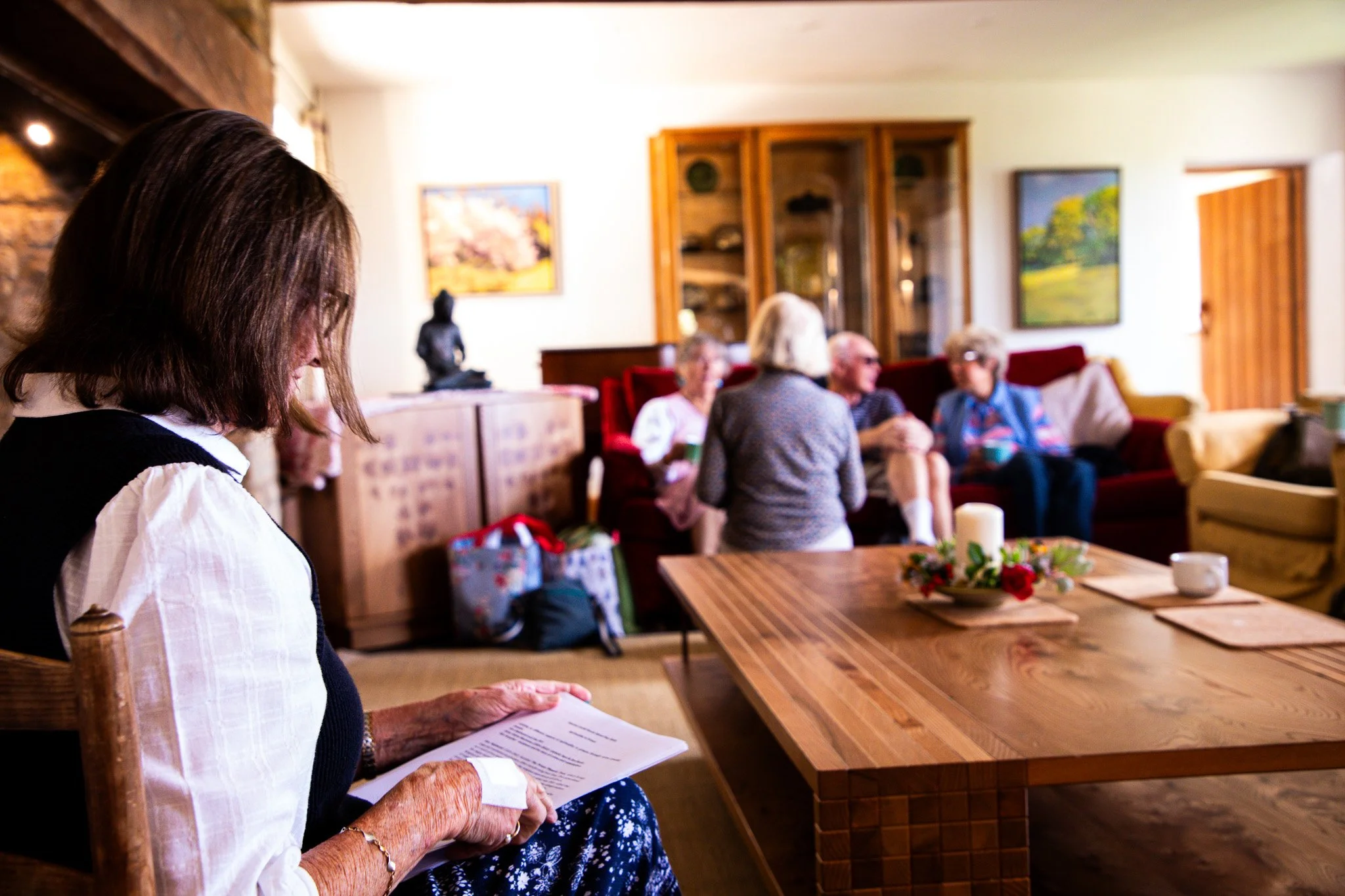
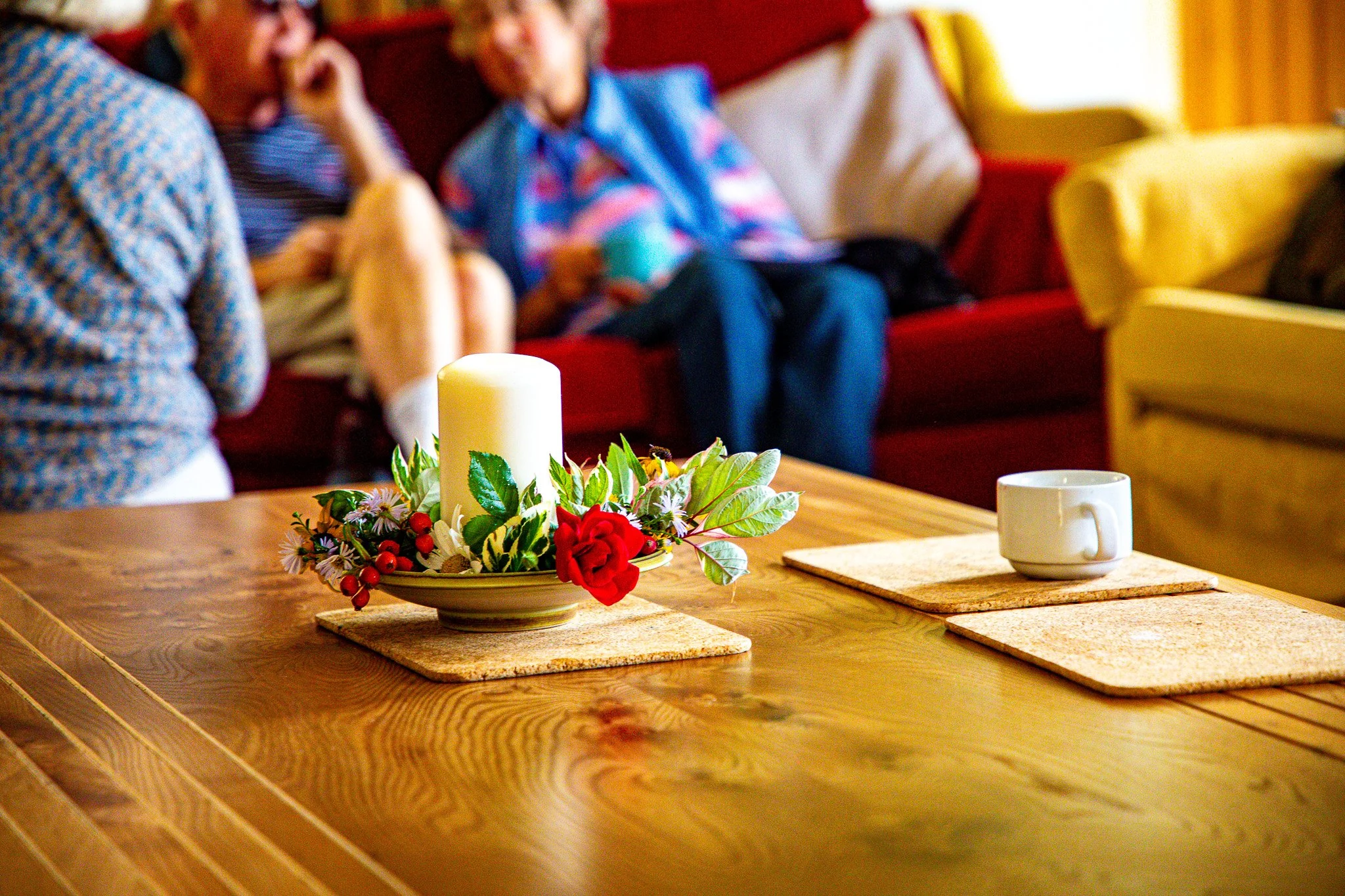
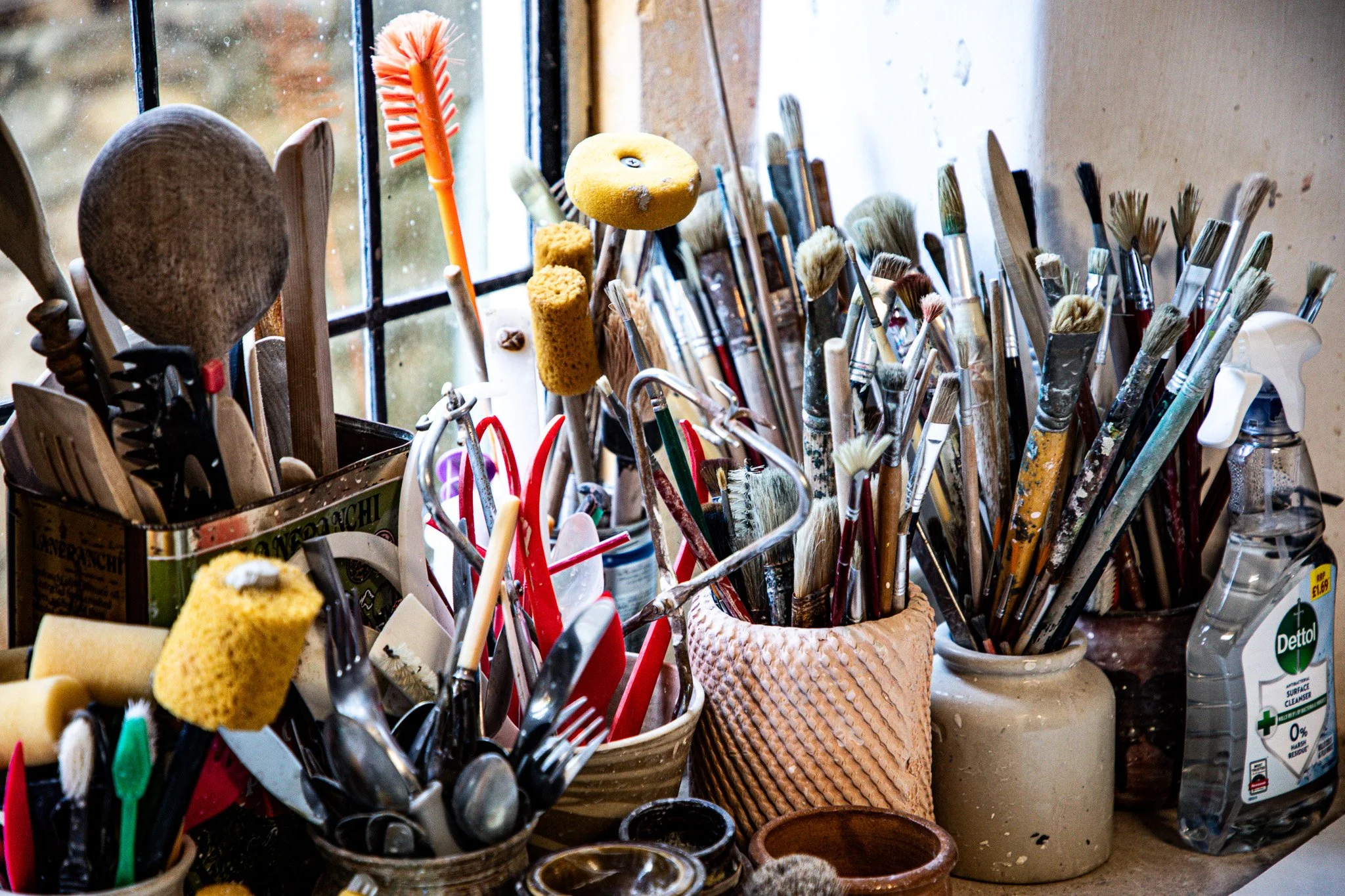
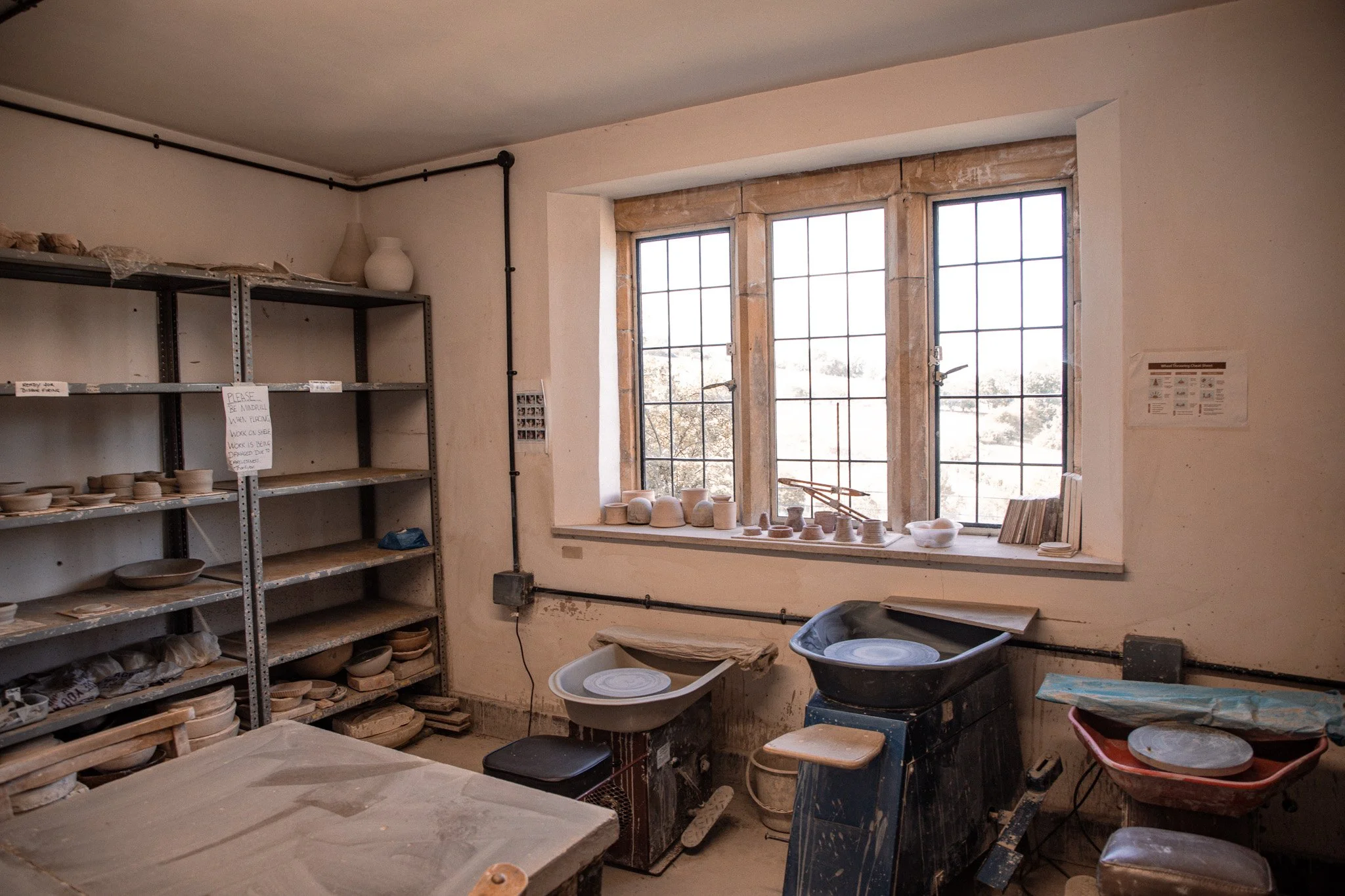
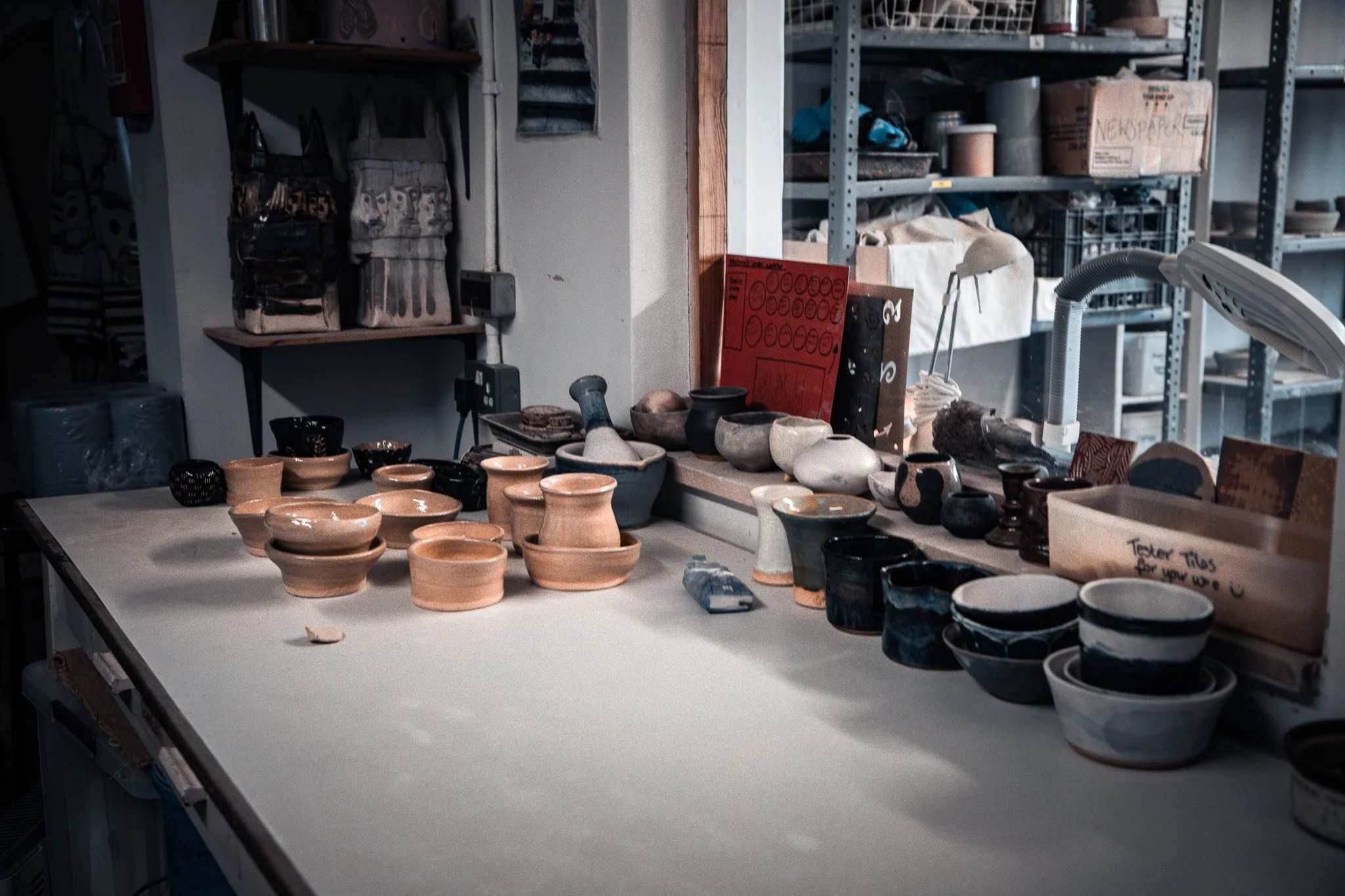
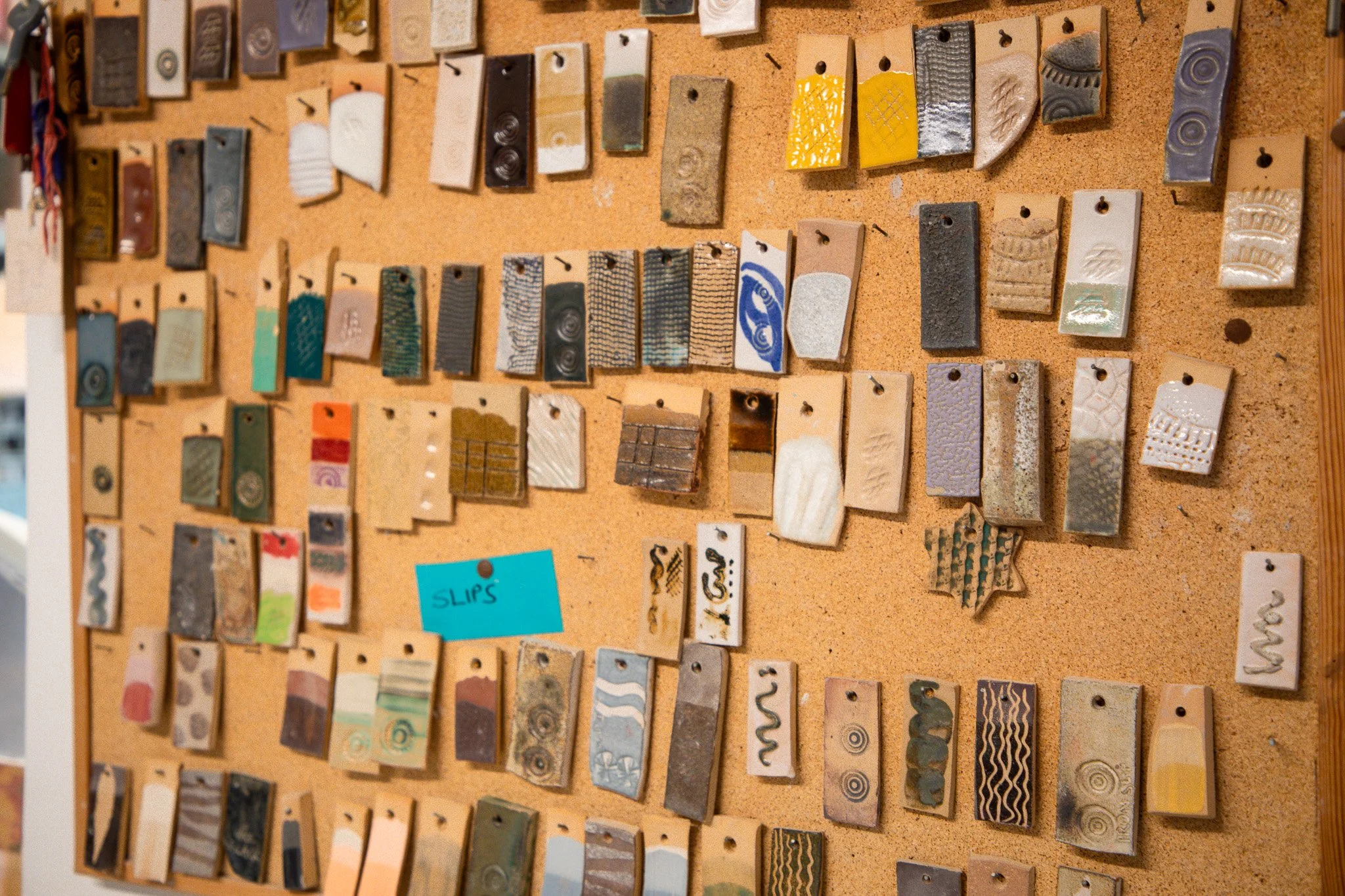
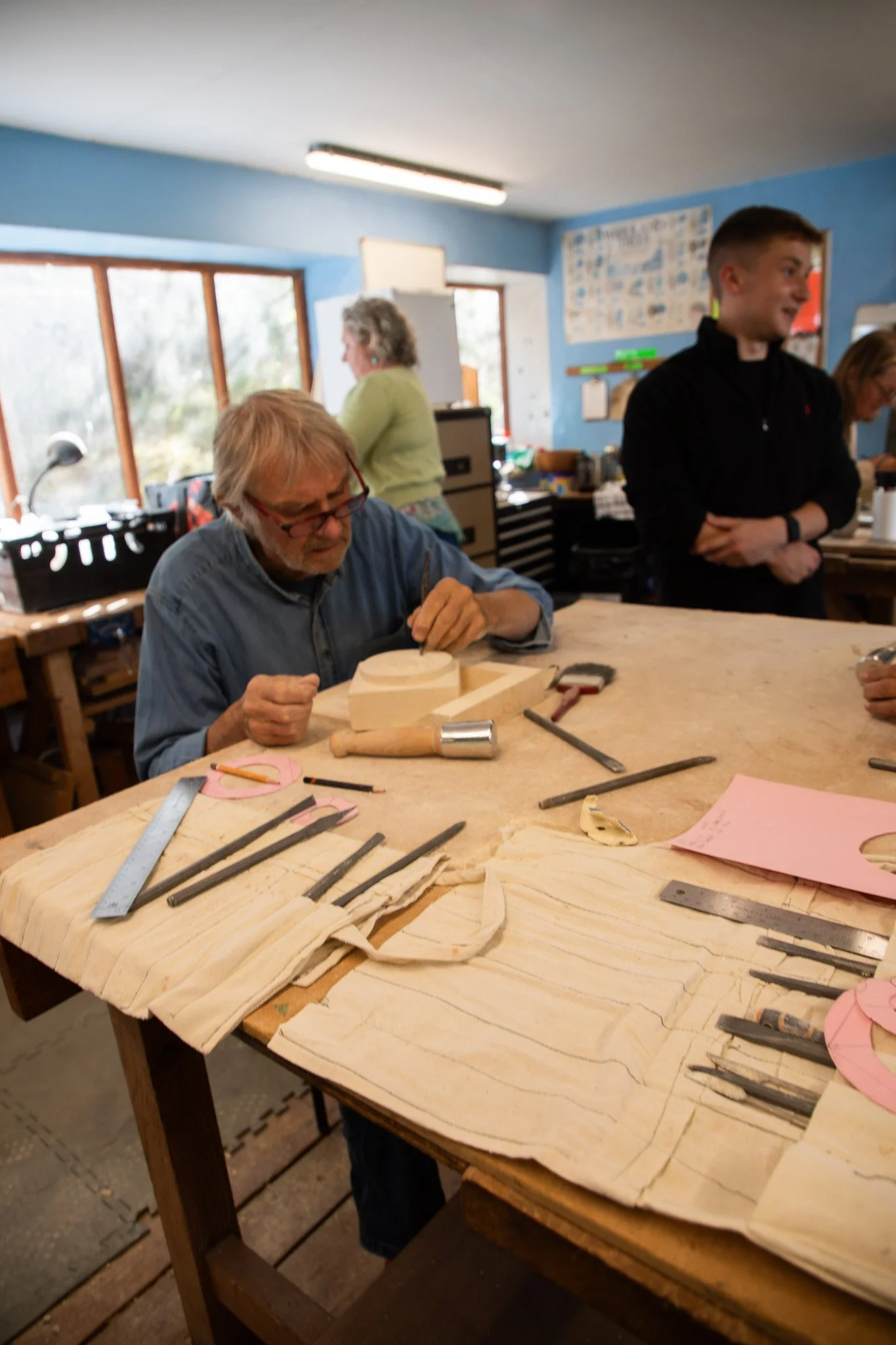
Nowadays the house offers a wide range of courses, including painting and pottery, as well as wood carving and turning. Of primary interest for www.crse.uk however, are the monthly Quiet Days, which are designed as a day of reflection and relaxation. An informal core group of about a dozen people meet for the day, between 10 am and 2.30pm. There are no unifying religious beliefs or requirements for attendance, but a centrally placed candle is lit at the beginning. Each month a speaker, often a member of the group, is invited to give a talk on a subject of their choice – often with a spiritual theme.
The day begins with coffee or tea and then people settle into comfortable chairs and sofas for the talk. Subjects this year have included Medieval Pilgrimage to Winchcombe and Hailes; The Hudson River Artists; Mervyn Peake’s Gormenghast and The Knights Templar. I have been speaking there annually for almost twenty years. This year I chose to focus on Spirituality in Prisons. I told of the Prison Phoenix Trust, which takes yoga and meditation into prisons, offering the chance to change cells from places of incarceration into spaces of calm, as they are for monks and nuns. This can enable people to change from feeling anger and stress to peace of body and mind. I told the history of the PPT, founded by Ann Wetherall in 1988. www.prisonphoenixtrust.org.uk Prisoners are offered correspondence with volunteers, yoga classes and meditation practice through books and training offered by volunteers. The PPT is now operating in about 70 prisons in the UK. Its quarterly newsletter links prisoners by recounting their inspiring experiences and gratitude to the PPT for helping them to change their lives - vital for their rehabilitation. This year I shared the day with Angie Devereux who had worked in a prison as a librarian for fifteen years and gave a unique insight into prison life.
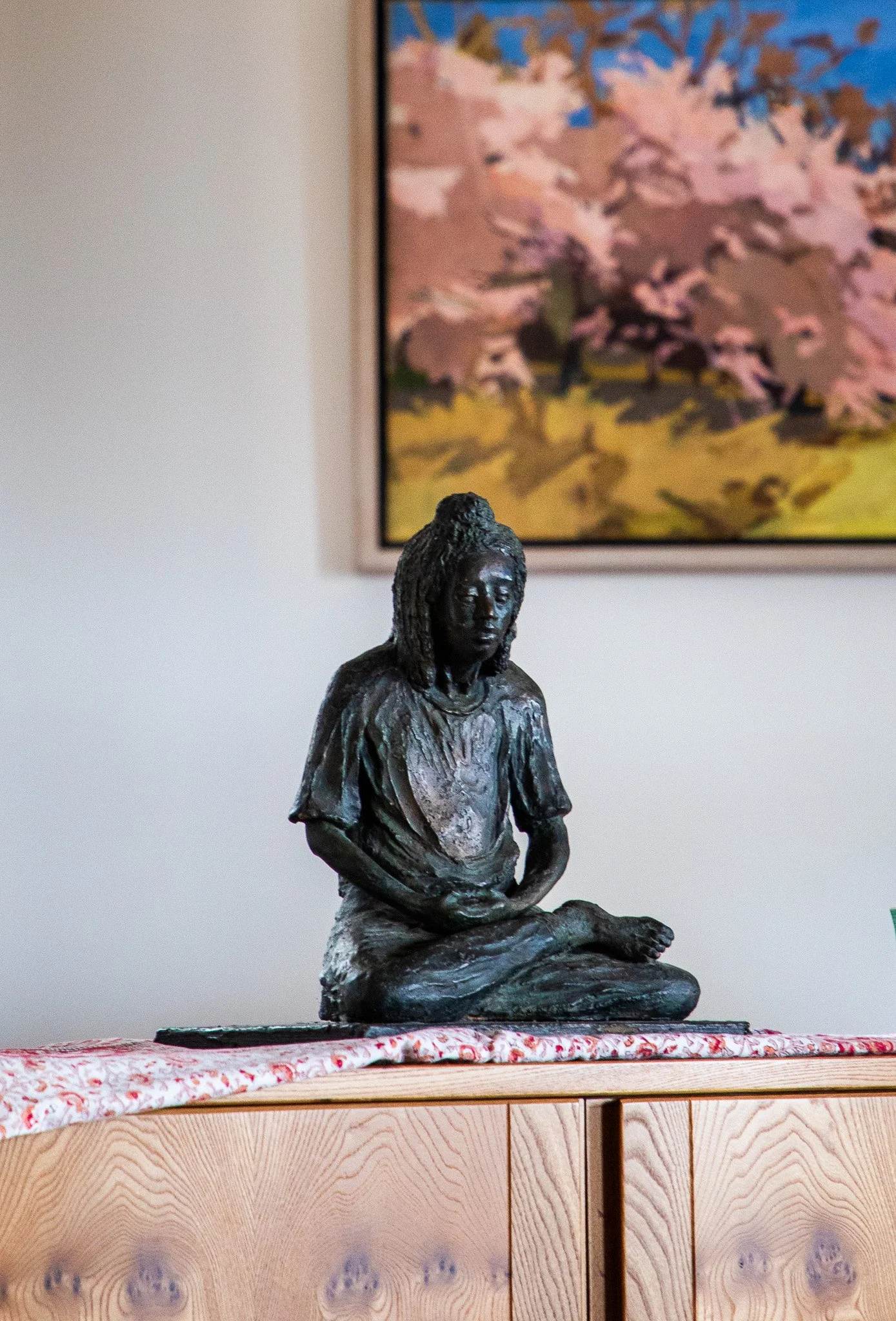
I took along a sculpture of a meditating Rastafarian, made by a former prisoner Ron Farquhar. While in prison, he had a spiritual experience which led to a complete transformation and a new way of life. He recounted his life from his youth as a hardened criminal to his later years helping prisoners in his autobiography A Journey of Awakening.
Before lunch (people simply bring their own) there is an hour of silence. People can go anywhere in the house or gardens to relax, read or go for a walk to explore the surrounding area. It is a wonderful respite from our noisy, busy lives – a true gift. Usually in the afternoons there is time for discussion of the day’s theme and then the candle is blown out as the group sends light to all who may need it – often named and known to everyone. Thus, the house remains a centre of peace and love, as originally intended.